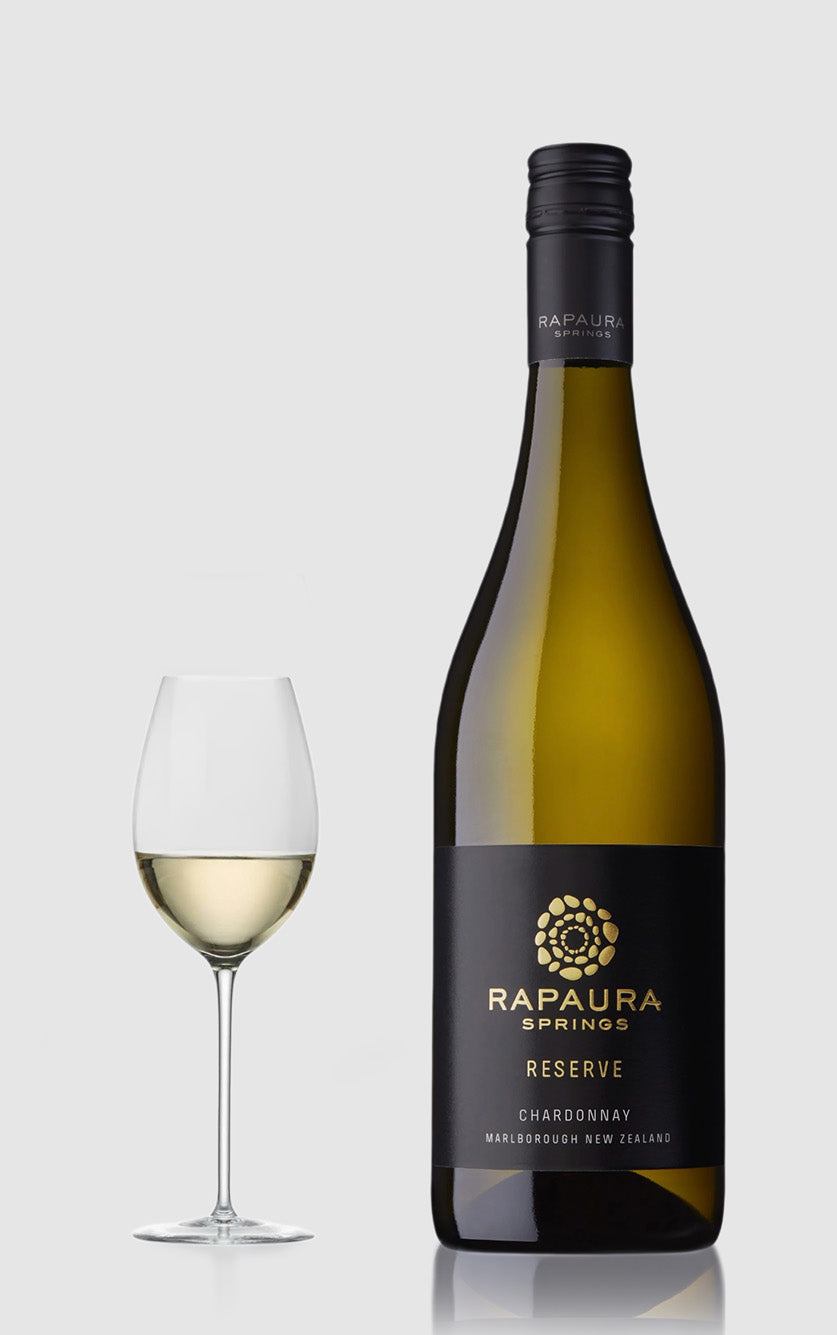


Most of us don't just taste with our mouths – we taste with our eyes. Color, label, glass shape, and surroundings affect our experience of wine far more than we think. But what happens if you take sight out of the equation and taste with your eyes closed?
A blind tasting (literally) can be both informative, fun and surprising – and maybe it reveals something about your own wine preferences that you weren't aware of.
🧠 Your brain is cheating you – all the time
Several studies have shown that we are influenced by color and expectation. When people are given white wine that is colored red, many people think it is red wine. When you are served wine from a bottle with a “nice” label, it is experienced as better than the same wine in an anonymous bottle. Our brain wants to create meaning – and the visual sets the framework.
It also means that we sometimes overlook wines we actually like because they don't "look" like anything fancy. Or conversely: we overestimate wines because we know what they are.
🥄 How to do a blind tasting at home
All you need is three things: a blindfold, a few glasses of wine – and a friend, partner or guest to pour for you. Try choosing wines that are somewhat similar in style, for example:
• Two different Pinot Noirs from two countries
• A barrel-aged Chardonnay and a fresh, unbarrel-aged one
• A Beaujolais and a Burgundy (same grape – different style)
• A natural wine and a conventional wine
When you can't see the bottle, the label or the color, you have to navigate solely by smell and taste. And that's surprisingly difficult! But also really fun.
🤯 It's not about "guessing correctly"
The goal is not to impress anyone with knowledge. It's about feeling : What do you like? What surprises you? How does your experience change when you don't know what you're drinking?
Many are surprised to find that they love something they “thought” they didn’t like. Others find that they actually have a preference for wines that are simpler than what they used to buy.
🥂 Use it as a fun wine event
Blind tastings are also perfect for a cozy evening with friends. For example, do a tasting with three wines and let your guests guess: is it red or white? Is it from Europe or overseas? Is it expensive or cheap? You don't have to be a wine connoisseur – just be curious.
The point is that wine doesn't have to be solemn to be educational. When you remove the visuals, you actually get a more honest tasting experience – and maybe a little laugh along the way.